
OSOTSI’S QUIET STAND: THE PRAGMATISM AND SELFLESSNESS REDEFINING MULEMBE POLITICS


In the often turbulent theatre of party politics, moments of quiet resolve rarely make headlines. Yet it is in such moments that character is revealed and leadership defined.
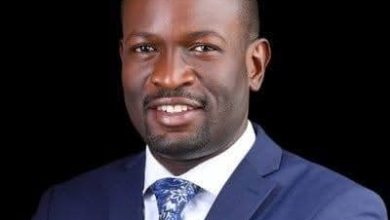
Recent attempts to recalibrate the internal structure of Orange Democratic Movement (ODM) reportedly included a proposal that would have seen Godfrey Osotsi elevated to the powerful position of Secretary General, replacing Edwin Sifuna. Under the same arrangement, Osotsi’s current role as Deputy Party Leader in charge of Policy was to be handed to Fernandes Barasa, while Nabii Nabwera would assume the ODM Kakamega County chairmanship.
On paper, the restructuring appeared routine. In reality, it risked igniting political rivalry among Luhya leaders a fault line that has historically diluted the region’s collective leverage in national politics.
But Osotsi would have none of it.
In what close associates describe as a firm and principled stance, the Vihiga senator declined to be party to any arrangement perceived as engineered to sideline a colleague for strategic gain. He reportedly maintained — both publicly and in private conversations that leadership built on division ultimately weakens the very foundation it seeks to strengthen.
“If Edwin Sifuna is chased away, I will walk away too. I cannot rise by bringing down a brother.”
The declaration was more than a show of loyalty; it was a calculated act of political pragmatism. Osotsi appears to grasp a fundamental truth: short-term advantage secured through internal sabotage often breeds long-term instability and mistrust.
Efforts to isolate and persuade him reportedly intensified. Influential figures such as Francis Atwoli and Fred Gumo were approached to engage him. Yet each time a meeting was sought, Osotsi insisted on attending alongside Sifuna a subtle but strategic move that made private persuasion nearly impossible.
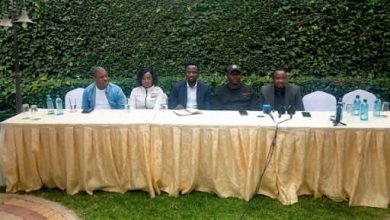
The pattern held. When Gladys Wanga, Junet Mohamed and Oburu Odinga reportedly invited him for discussions at the residence of Bosire, Osotsi once again arrived in Sifuna’s company — reinforcing his message that unity was non-negotiable.
Beyond internal party dynamics, Osotsi’s growing political stature has been evident on the national stage. His pivotal role in the recent Linda Mwananchi rally demonstrated both organisational depth and grassroots appeal, positioning him among the emerging dependable voices within the broader Mulembe political formation.
As he quietly lays groundwork for a potential bid for the Vihiga governorship in 2027, observers note that his approach blends ambition with restraint — a balance not always common in contemporary politics.
For many within the region, Osotsi’s posture signals the maturation of a new leadership ethic: one that values cohesion over opportunism and long-term influence over fleeting elevation. It also mirrors sentiments advanced by George Natembeya on the necessity of unity, internal democracy and political self-determination.
Politics evolves with time. So too does leadership.
And in choosing solidarity over self-promotion, Osotsi may have demonstrated that true power is not seized in moments of division — it is earned through principle, patience and an unwavering commitment to collective strength.