


By Julius Anyula
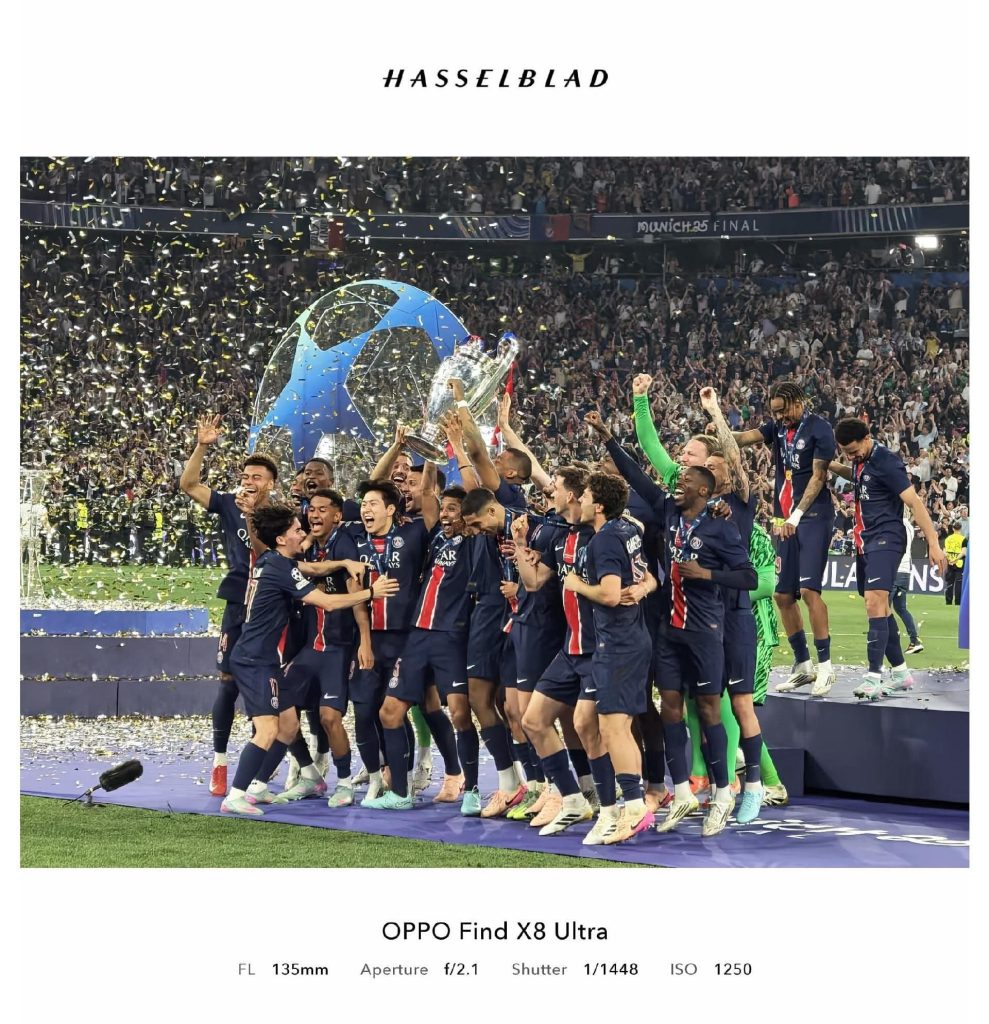
It was one of the defining images of this year’s Champions League final in Munich — Ousmane Dembélé crouched in a sprinter’s stance, ready to pounce on every Inter Milan goal-kick. He didn’t score that night, but his relentless pressing became the perfect symbol of Paris Saint-Germain’s transformation.
“That’s what it means to lead a team,” coach Luis Enrique beamed afterwards. “Tell me another No. 9 in Europe who presses the goalkeeper and centre-backs like that.”
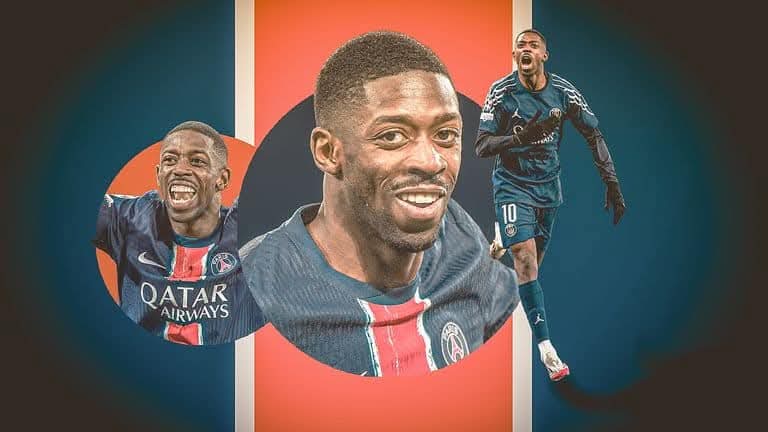
For Dembélé, 28, this season has been nothing short of a redemption arc. From a player once labelled “crazy” by German legend Lothar Matthäus to the heartbeat of a Champions League-winning PSG, his turnaround is now so complete that next month, he could be crowned men’s Ballon d’Or winner.
It would be richly deserved. Last season, he combined deadly finishing with elite playmaking, topping nearly every attacking metric in European football. Only his pressing numbers, showcased in that Munich final, remained unmatched by anyone.
The journey here has been turbulent. From teenage hype at Rennes — where Mikaël Silvestre compared him to Cristiano Ronaldo — to a record-breaking move to Barcelona, Dembélé seemed destined for greatness. But poor discipline, late-night gaming sessions, questionable dietary habits, and an unhelpful entourage derailed his progress. Injuries piled up, and critics dismissed him as a squandered talent.
He admits now that those were “five lost years” — a harsh self-assessment that came into focus after a nightmare outing in the 2022 World Cup final, where he conceded a penalty and was substituted before halftime.
Enter Luis Enrique. The Spaniard demanded more from Dembélé, but the real transformation came from within. “If you want to be a great player, you have to work. Talent is not enough. I didn’t know that before,” Dembélé confessed.
In football, comebacks of this magnitude are rare. Yet here he is — pressing like a man possessed, creating like an artist, finishing like a predator. A leopard may not change its spots, but this one has sharpened its claws.
Should Dembélé join Matthäus as a Ballon d’Or winner, it will be more than a personal triumph — it will be one of football’s most remarkable resurrection stories.
I
.